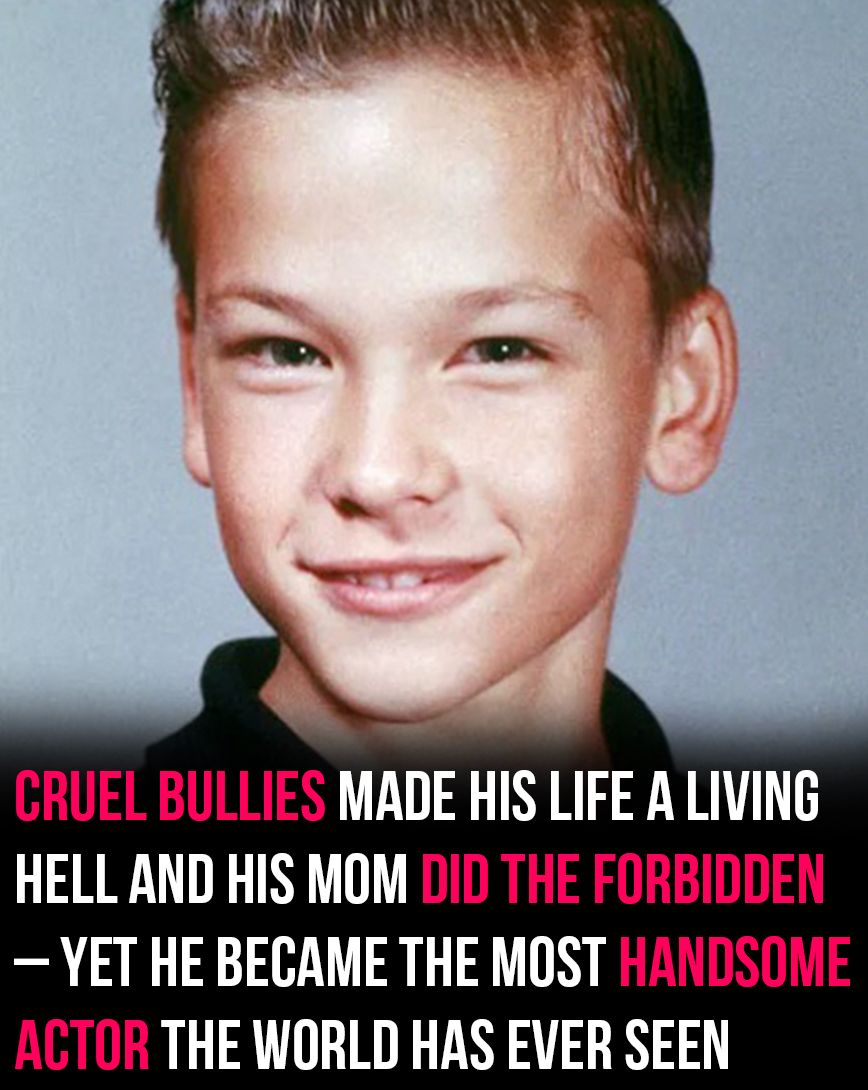
Patrick Swayze’s life never fit into a single mold. From the beginning, it was shaped by tension—two worlds colliding in ways that didn’t make sense to anyone but him. In Texas, where toughness defined identity, he was a football player, strong, competitive, expected to embody everything people thought a young man should be. But when the pads came off, he stepped into another reality entirely—one filled with discipline, grace, and precision. Ballet wasn’t just something he tried; it became part of who he was.
Continue reading...
At school, the duality confused people. A football player who danced? To many, that wasn’t something to respect—it was something to challenge, to mock, to test. He was bullied, pushed, and forced into situations where he had to defend himself not just physically, but mentally. Fights weren’t rare. Bruises weren’t unusual. But those moments didn’t weaken him—they hardened him. Every insult, every hit, every attempt to break him became something he absorbed and turned into fuel.
Home wasn’t always a place of comfort either. His mother, a dance instructor with relentless standards, saw potential in him—but her way of shaping it was unforgiving. She demanded perfection, not improvement. Mistakes weren’t lessons; they were failures to correct immediately. Her volatility left marks that weren’t always visible, but they ran deep. Still, through that pressure, he learned something few people truly understand: discipline isn’t gentle. It’s built through repetition, through discomfort, through pushing past limits that feel impossible.
For a while, football seemed like the path forward. It fit the world around him. It made sense. But life rarely follows what makes sense. A knee injury ended that trajectory abruptly, taking away a future he had built around strength and competition. At the same time, the looming possibility of being drafted into the Vietnam War added another layer of urgency, another uncertainty he couldn’t ignore.
He stood at a crossroads where retreat wasn’t an option.
It wasn’t a fallback. It wasn’t a safe alternative. It was a decision rooted in survival. He threw himself into ballet with intensity, not because it was easy, but because it demanded everything. The physical strain, the precision, the constant pressure to improve—it all aligned with the way he had been shaped. Dance became more than movement. It became identity.
When success came, it came fast and loud. Suddenly, he wasn’t the kid being questioned for dancing. He was a star. Recognized. Admired. Placed on a level that few ever reach.
If anything, it magnifies it.
Behind the spotlight, life continued to test him. The loss of a child through miscarriage cut deeper than anything external ever could. It wasn’t something you could fight or outwork. It was just pain—quiet, personal, and lasting. Then came more loss. His father. His sister. Each one leaving a space that couldn’t be filled, only carried.
For a time, alcohol became a way to cope, a way to dull what couldn’t be ignored. It wasn’t unusual. It wasn’t even surprising. But it was dangerous. The same intensity that drove him to succeed could just as easily pull him into something destructive.
What defined him wasn’t that he struggled—it was that he refused to stay there.
That balance—between the public life and the private one—kept him from losing himself completely.
Cancer didn’t arrive gently. It didn’t give him time to prepare or adjust. It hit with the kind of force that strips everything down to what matters. For most people, it would have been a reason to step back, to retreat, to focus only on survival.
He chose differently.
Even as his body weakened, he kept working. Not out of denial, but out of conviction. Acting wasn’t just a career—it was part of who he was. Letting it go would have meant giving up more than just a profession. It would have meant surrendering something fundamental.
He refused to do that.
There was a quiet strength in the way he faced it. Not loud. Not performative. Just steady. He didn’t pretend it wasn’t happening. He didn’t act like it was easy. He simply kept going, holding onto what mattered, doing what he could for as long as he could.
That’s where his story separates itself from the surface-level idea of success.
It’s not just about the films, the recognition, the roles that made him unforgettable. It’s about the way he lived through everything that tried to break him—and didn’t.
He was bullied, but he didn’t shrink.
He was pushed beyond limits, but he didn’t collapse.
He lost things most people can’t imagine losing, but he didn’t disappear into it.
He faced illness that would have stopped anyone else, and he still showed up.
That’s the legacy that matters.
Not perfection. Not invincibility. Something more real than that.
Proof that a person can be damaged, tested, and pushed to the edge—and still choose to stand, to create, to live with intensity and purpose.
Patrick Swayze’s life wasn’t clean or simple. It was marked by contradictions, by struggle, by moments that could have ended everything.
Instead, they shaped something stronger.
Not unbreakable—but unwilling to stay broken.
